Introduction to Diatomaceous Earth
Diatomaceous earth, also known as diatomite, is a naturally occurring sedimentary rock that is composed primarily of the fossilized remains of microscopic aquatic organisms called diatoms. These diatoms have a unique silica-based structure, which contributes to the distinctive properties of diatomaceous earth. Formed over millions of years through the accumulation of diatoms in bodies of water, diatomaceous earth typically appears as a fine, talc-like powder when mined and processed.

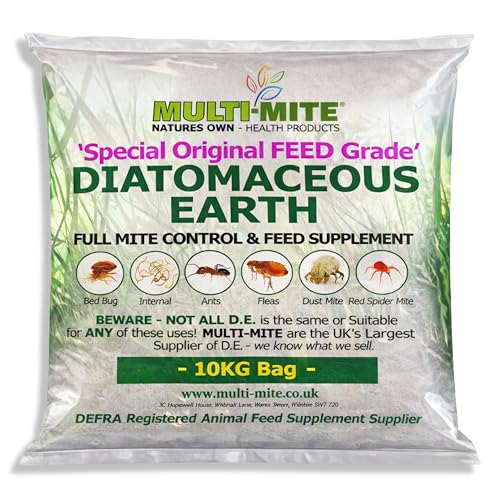
The composition of diatomaceous earth consists mostly of silica—approximately 80-90%—along with small amounts of alumina, iron oxide, and calcium carbonate. This high silica content provides diatomaceous earth with its characteristic abrasiveness and chemical inertness, making it suitable for a variety of applications across different industries. For instance, it acts as a natural filter aid in the food and beverage sector, a mild abrasive in personal care products, and a carrier for agricultural applications.
The unique properties of diatomaceous earth, including its high porosity and absorptive capabilities, render it an essential material in many sectors. For example, in the agricultural industry, it is used as a natural pesticide and soil conditioner, while in the construction industry, it serves as a lightweight aggregate and insulation material. Furthermore, diatomaceous earth has established its significance in the realm of filtration, serving as a key component in the treatment of drinking water and the clarification of beer and wine.
In conclusion, diatomaceous earth, with its versatile composition and unique properties, plays a vital role in a diverse range of industries. As we explore its specific applications in the United Kingdom, it becomes clear that this natural resource has much to offer in terms of sustainability and practicality.
Agricultural Uses of Diatomaceous Earth
Diatomaceous earth (DE) is increasingly being recognized for its multifaceted applications within agriculture in the United Kingdom. One of its primary uses is as a natural pesticide. Composed of silica from fossilized diatoms, DE works mechanically by dehydrating insects. Its sharp, abrasive nature damages the exoskeletons of pests, effectively leading to their demise without the use of harmful chemicals. Many UK farmers have adopted this natural solution, reducing their reliance on synthetic pesticides, which can have detrimental effects on the environment and surrounding biodiversity.
In addition to its role as a pesticide, diatomaceous earth serves as a valuable soil amendment. It improves soil structure and increases aeration and water retention capabilities. The porous nature of DE provides an environment conducive to beneficial microorganisms, which are essential for nutrient cycling. Farmers who have incorporated diatomaceous earth into their soil management practices report enhanced soil fertility and improved crop resilience. This amendment is particularly beneficial in regions of the UK with heavy clay or sandy soils, where it helps to retain moisture and nutrients in a more bioavailable form.
Diatomaceous earth’s benefits extend to crop health and pest control. For instance, UK growers cultivating organic vegetables have successfully integrated DE into their pest management strategies. Case studies highlight the experiences of smallholder farmers who have used diatomaceous earth to reduce aphid populations on their crops dramatically while maintaining organic certification. Such approaches demonstrate how diatomaceous earth can contribute to sustainable agriculture, fostering a balance between productivity and environmental stewardship.
Health Benefits and Uses in Home and Personal Care
Diatomaceous earth, a naturally occurring sedimentary rock composed of fossilized algae, has found various applications in health and personal care products. Its porous nature and abrasive qualities make it a versatile ingredient used in numerous formulations. One prominent area of focus in the United Kingdom is the utilization of food-grade diatomaceous earth as a dietary supplement. Advocates believe it may support digestive health and detoxification by aiding the elimination of toxins from the body. Moreover, some individuals consume diatomaceous earth for its purported benefits in improving skin health and strengthening hair and nails.
In personal care products, diatomaceous earth is incorporated into facial scrubs and cleansing masks thanks to its exfoliating properties. The fine particles help to remove dead skin cells, promoting a smoother skin texture. Additionally, it is utilized in natural deodorants and body powders, as it effectively absorbs moisture and neutralizes odor without the use of synthetic chemicals. This makes it a favorable choice for individuals seeking eco-friendly alternatives to traditional body care products.
Beyond personal care, diatomaceous earth finds utility in home care solutions. For instance, it can be integrated into cleaning products as a natural abrasive to enhance scrubbing power without scratching surfaces. The mineral’s absorbent nature also makes it valuable in pest control, with food-grade diatomaceous earth used as a natural insecticide to deter pests while being safe for use around pets and children when applied correctly.
While the benefits of diatomaceous earth are well-documented, it is crucial for consumers to ensure they choose food-grade options, as these are deemed safe for health-related applications. Consulting healthcare professionals before incorporating diatomaceous earth supplements or products into daily routines is advisable to ensure safety and effectiveness. Overall, diatomaceous earth offers a myriad of potential benefits, making it a noteworthy addition to health and personal care considerations in the UK.
Environmental Impact and Sustainability of Diatomaceous Earth
Diatomaceous earth (DE) is renowned for its diverse applications, from agricultural use to filtration systems, yet its environmental impact and sustainability merit thorough examination. The sourcing of diatomaceous earth involves mining fossilized remains of diatoms, microscopic algae found in water bodies. While the process can lead to land degradation and habitat loss, sustainable mining practices are being adopted. These practices focus on minimizing ecological disruption, ensuring that extraction activities allow for the regeneration of natural landscapes.
The ecological footprint of diatomaceous earth is relatively low compared to synthetic alternatives used in various industries. DE is non-toxic, making it a safe choice for agricultural practices, especially in organic farming where chemical alternatives might pose risks to soil health and biodiversity. Furthermore, diatomaceous earth serves as an effective pest control agent, enabling farmers to reduce reliance on harmful pesticides that can adversely affect pollinators and other beneficial organisms.
Moving towards sustainability, the diatomaceous earth industry is increasingly capitalizing on innovations and research. Methodologies that improve efficiency in extraction and processing are pivotal in reducing waste and environmental disturbances. Additionally, as awareness grows about the importance of preserving biodiversity and ecosystem health, the potential of diatomaceous earth in enhancing environmentally friendly practices across sectors becomes more evident. For instance, DE can be utilized in landscaping and construction, helping to improve soil quality while decreasing the need for synthetic soil amendments.
In conclusion, while the mining and application of diatomaceous earth raise valid environmental concerns, the industry’s adherence to sustainable practices greatly mitigates potential impacts. The commitment to environmentally responsible sourcing and application underscores diatomaceous earth’s role in promoting sustainable solutions across various fields, potentially enhancing ecological resilience and biodiversity in the long run.