DOMAIN NAMES FOR SALE —AT ABSHOT.COM
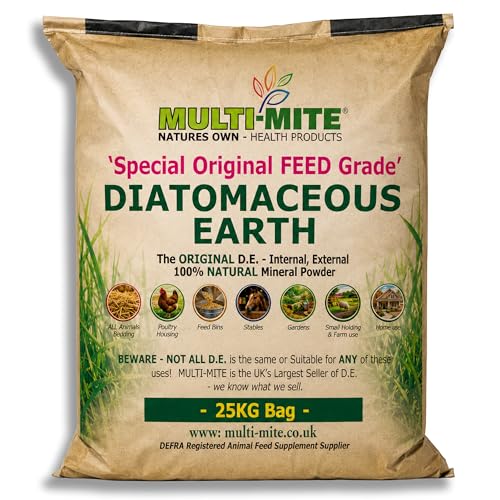
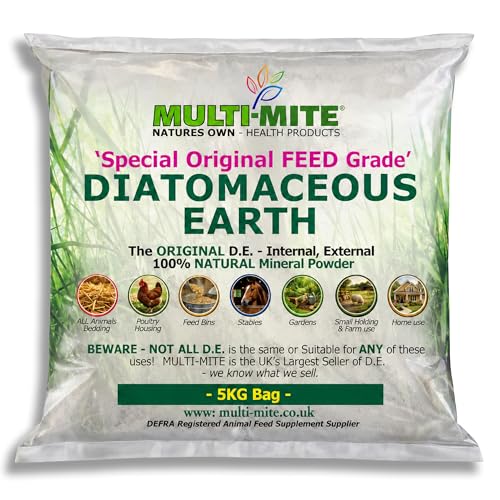
- 100% NATURAL NON TOXIC MULTI MITE FEED Grade DE Powder Organic, natural mineral powder for poultry housing, chicken coop…
- PRODUCT WITH A LONG TRADITIONAL HISTORY – Due to modern advertising regulations there are certain traditional uses we ar…
- WHAT IS DIATOMACEOUS EARTH? – Diatomaceous Earth is a naturally mined mineral powder made from the fossilised remains of…

- 100% Pure food grade Diatomaceous Earth
- Suitable for use as a silica supplement
- Made using the finest quality freshwater Diatomaceous Earth
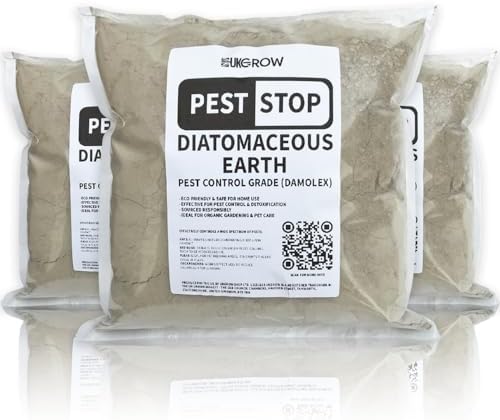
- Ultra-Fine Food Grade: 🌱 Safe for use around children and pets, ensuring non-toxic pest control within your home environ…
- Effective Against a Wide Range of Pests: 🐜🕷️ Designed to combat all associated pests, including ants, bed bugs, fleas, a…
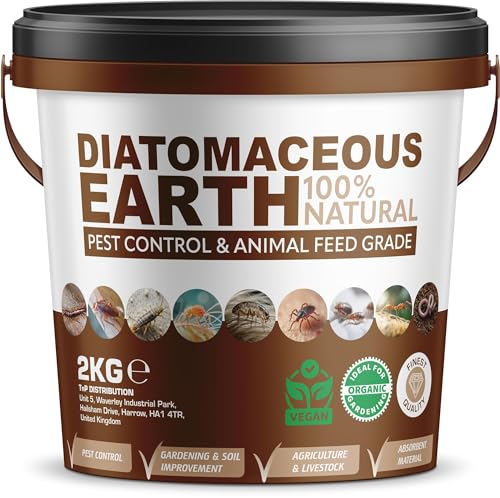
- Strong Bucket Packaging: 🪣 Comes in durable and secure bucket packaging for easy storage and access, keeping the product…
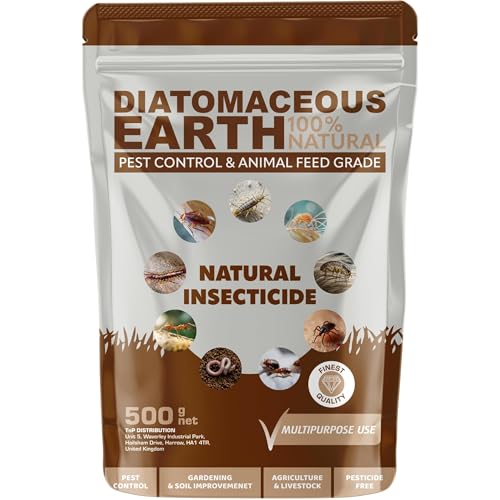
- 𝐕𝐞𝐫𝐬𝐚𝐭𝐢𝐥𝐞 𝐏𝐞𝐬𝐭 𝐂𝐨𝐧𝐭𝐫𝐨𝐥:Our diatomaceous earth (DE) powder is highly effective against a wide range of pests, including a…
- 𝐍𝐚𝐭𝐮𝐫𝐚𝐥 𝐚𝐧𝐝 𝐍𝐨𝐧-𝐓𝐨𝐱𝐢𝐜: Made from the fossilized remains of diatoms, a type of hard-shelled algae, our DE powder is compl…
- 𝐏𝐡𝐲𝐬𝐢𝐜𝐚𝐥 𝐌𝐞𝐜𝐡𝐚𝐧𝐢𝐬𝐦: Unlike chemical insecticides, DE works through a physical process. The fine powder particles resembl…
- 𝐕𝐞𝐫𝐬𝐚𝐭𝐢𝐥𝐞 𝐏𝐞𝐬𝐭 𝐂𝐨𝐧𝐭𝐫𝐨𝐥:Our diatomaceous earth (DE) powder is highly effective against a wide range of pests, including a…
- 𝐍𝐚𝐭𝐮𝐫𝐚𝐥 𝐚𝐧𝐝 𝐍𝐨𝐧-𝐓𝐨𝐱𝐢𝐜: Made from the fossilized remains of diatoms, a type of hard-shelled algae, our DE powder is compl…
- 𝐏𝐡𝐲𝐬𝐢𝐜𝐚𝐥 𝐌𝐞𝐜𝐡𝐚𝐧𝐢𝐬𝐦: Unlike chemical insecticides, DE works through a physical process. The fine powder particles resembl…

- Natural & Non-Toxic – Made with organic diatomaceous earth, safe for pigeons, poultry, and laying chickens.
- Effective Pest Control – Dehydrates mites, lice, and other external parasites to eliminate infestations naturally.
- Easy to Apply – Simply dust directly onto feathers, bedding, and nesting areas for full protection.
Introduction to Diatoms: Nature’s Tiny Powerhouses
Diatoms, a diverse group of unicellular algae, represent an integral component of aquatic ecosystems, both in marine and freshwater environments. These remarkable microorganisms are distinguished by their intricate silica cell walls, known as frustules, which feature unique patterns and shapes that vary across species. This silica composition not only provides structural support but also contributes to their resilience and adaptability in fluctuating ecological conditions.
Functionally, diatoms are pivotal in the global carbon cycle. They engage in photosynthesis, converting sunlight into chemical energy while simultaneously absorbing carbon dioxide from the atmosphere. Through this process, they produce an estimated 20% of the world’s oxygen, significantly contributing to the breathable atmosphere we rely on. This immense capacity for oxygen production underscores their role as primary producers, demonstrating that diatoms are not merely microorganisms, but rather vital players in sustaining life on Earth.
Beyond oxygen generation, diatoms serve as a crucial food source within the aquatic food web. Their abundance and nutritional value make them a primary dietary component for various organisms, ranging from microscopic zooplankton to larger fish species. Consequently, diatoms establish the foundation for higher trophic levels in both marine and freshwater ecosystems, indicating their role in regulating population dynamics and supporting biodiversity. The health of aquatic ecosystems is intrinsically linked to the presence and functionality of these tiny powerhouses, as they facilitate energy transfer and nutrient cycling.


In summary, diatoms are essential contributors to the ecological balance and health of the planet. Their unique characteristics and multifaceted roles highlight their significance in environmental dynamics, emphasizing the need for continued study and conservation of these remarkable microorganisms.
Ecological Contributions: From Photosynthesis to Habitat Formation
Diatoms are unicellular algae that play a crucial role in the ecological balance of our planet. One of their most significant contributions is their ability to perform photosynthesis, a process through which they convert sunlight into chemical energy. This process not only fuels the growth and reproduction of diatoms but also plays a vital role in producing a substantial portion of the Earth’s oxygen supply. It is estimated that diatoms are responsible for approximately 20% of the total oxygen produced on Earth, highlighting their importance in sustaining life.
Moreover, diatoms are essential components of aquatic ecosystems, contributing to the intricate web of life within these environments. They serve as primary producers, forming the foundational layer of the food chain which supports various life forms. Many organisms, from tiny zooplankton to larger fish, rely on diatoms as their primary food source, thereby maintaining a delicate balance in aquatic ecosystems. This interdependence illustrates the critical role diatoms play in promoting biodiversity across a wide range of habitats.
In addition to their role in photosynthesis and as a food source, diatoms significantly impact sediment formation and habitat creation. When diatoms die, their silica-based cell walls accumulate on the ocean floor, contributing to the formation of sedimentary deposits. These deposits not only play a role in shaping the physical environment but also provide critical habitats for various benthic organisms. For instance, various species of diatoms can be found in diverse habitats, from freshwater rivers to salt marshes and open ocean environments. The presence of diatoms in these ecosystems underscores their ecological importance and the benefits they provide in supporting a myriad of life forms.
Economic Importance: Diatoms in Industry and Technology
Diatoms, a type of microalgae, play an essential role in various industries, showcasing their economic importance through diverse applications. One notable area is water filtration, where diatomaceous earth, composed primarily of fossilized diatom shells, is utilized for its exceptional filtration properties. This natural substance is commonly employed in swimming pools, drinking water purification, and wastewater treatment, benefiting both businesses and consumers by ensuring cleaner, safer water. The porous structure of diatoms allows for effective removal of impurities, ensuring high-quality filtered water.
In the realm of food production, diatoms have gained attention for their role in ensuring product safety and quality. They are often used as an anti-caking agent in powdered foods and food additives, helping to maintain flow and prevent clumping. This not only improves the efficiency of food processing but also enhances the end consumer’s experience by providing consistent and easy-to-use products. Moreover, diatomaceous earth is recognized in organic farming as a natural insecticide, fostering a more sustainable approach to pest management that reduces reliance on synthetic chemicals.
Beyond traditional uses, the innovative structures of diatoms are being explored for emerging technologies. Their unique siliceous architecture is promising for creating advanced materials with applications in nanotechnology and renewable energy. For instance, diatom-inspired designs are being investigated for solar panels to enhance light absorption and energy efficiency. These innovations highlight the potential for diatoms to contribute to sustainable development goals by providing eco-friendly solutions that help address contemporary industrial challenges.
As industries continue to recognize the multifunctionality of diatoms, their economic importance will likely expand, presenting further opportunities for businesses and consumers alike. The utilization of diatoms showcases a synergy between nature and technology that underscores the untapped potential of these unsung heroes of our ecosystem.
Conservation and Future Prospects: Protecting Diatoms for the Earth
Diatoms play a vital role in the ecosystem, contributing significantly to the oxygen production and serving as a primary food source for various aquatic organisms. However, their populations are increasingly threatened by environmental changes such as pollution, climate change, and habitat loss. To ensure the sustainability of diatoms and the health of aquatic ecosystems, it is imperative to implement effective conservation strategies.
One important approach to conserving diatoms involves maintaining water quality in freshwater and marine habitats. Efforts must focus on reducing nutrient pollution and mitigating the impacts of runoff, which can lead to harmful algal blooms that outcompete diatoms for resources. Governments and organizations are encouraged to establish and enforce regulations regarding agricultural practices, waste management, and industrial discharges to safeguard these microscopic organisms.
Individual actions can also significantly contribute to diatom conservation. Community involvement in local waterway cleanups, advocacy for reducing single-use plastics, and supporting sustainable farming practices can foster better environments for diatoms to thrive. Furthermore, educational campaigns aimed at raising awareness of the ecological significance of diatoms can help engage communities in aquatic health initiatives.
Research is another key component of diatom conservation. Scientists are continuously exploring the diverse applications of diatoms in various fields, including bioenergy, biotechnology, and environmental monitoring. Investigating the adaptability of diatoms to changing conditions may unlock new insights into their resilience and potential uses. Funding for studies aimed at understanding the impacts of climate change on diatom populations is vital, as it can lead to innovative strategies that harness their benefits while promoting their preservation.
In conclusion, protecting diatoms is crucial for maintaining the balance of our ecosystems. By combining conservation efforts, community engagement, and advancing research, stakeholders can work collaboratively to ensure that diatoms continue to thrive and fulfill their essential roles in our environment.
Contact information http://www.abshot.com/contact/