Introduction to Bentonite Clay
Bentonite clay is a fine, natural clay that is formed from volcanic ash. Its geological formation primarily occurs when volcanic ash reacts with water over time, resulting in the development of a mineral-rich substance. The clay is predominantly composed of montmorillonite, a type of smectite mineral which gives bentonite its unique properties, including its ability to absorb water and swell significantly. This characteristic makes bentonite highly valued across various industries.







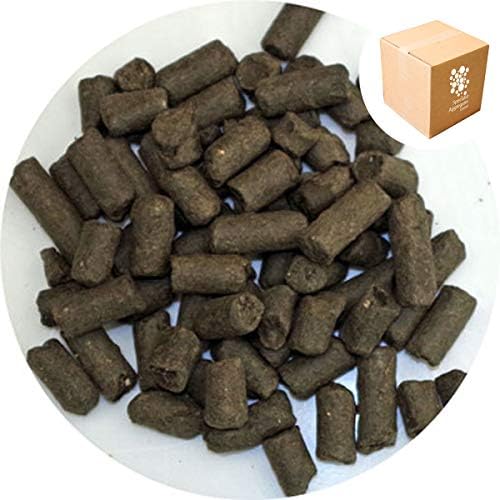
Throughout history, bentonite clay has been utilized for an array of purposes, dating back centuries. Ancient civilizations recognized its potential as a natural remedy, employing it for its therapeutic benefits. In modern times, the range of its applications has expanded considerably. Today, it is commonly used in agriculture, construction, environmental remediation, and even personal care products.
In the United Kingdom, the popularity of bentonite clay is on the rise as consumers become aware of its versatility. People are increasingly using it for skin care, detoxification, and even as a dietary supplement due to its purported health benefits. Its natural origin and eco-friendly properties align well with the growing trend towards sustainable and organic products.
The versatility of bentonite clay makes it an essential component in various formulations and applications. From improving soil health in agricultural practices to serving as an ingredient in facial masks and detoxifying products, its uses are continually evolving. Understanding the properties of this remarkable clay is crucial not only for its effective application but also for maximizing its benefits in contemporary practices.
Health and Beauty Applications
Bentonite clay, renowned for its unique properties, has gained substantial popularity in the health and beauty sectors across the United Kingdom. Its application as a skincare treatment is particularly noteworthy, where it serves as an effective detoxifying agent. The clay’s extensive use in facial masks provides a natural solution for individuals seeking to purify and rejuvenate their skin. When applied topically, bentonite clay can absorb excess oil and impurities from the skin, making it a valuable ally in combatting issues such as acne and oily skin.
In addition to its topical benefits, bentonite clay is also recognized for its internal health applications. Many health enthusiasts incorporate bentonite clay into their dietary regimens, often as a supplement for digestive health. This clay’s ability to bind to toxins and facilitate their elimination from the body makes it a popular choice for those looking to enhance their detoxification processes. Some users report improved digestion and reduced bloating when including bentonite clay in their health routines.
The dual functionality of bentonite clay as both a topical treatment and an internal supplement underscores its versatility in promoting overall wellness. As consumers in the UK become increasingly aware of natural remedies, the demand for products containing bentonite clay continues to rise. From skincare enthusiasts to those focused on internal health, this mineral-rich clay meets diverse needs with its multifaceted properties. This growing trend suggests a promising future for bentonite clay in the health and beauty realm, offering a holistic approach to personal care.
Industrial and Commercial Uses
Bentonite clay has emerged as a significant material in a variety of industrial and commercial applications, owing to its unique properties. Primarily composed of montmorillonite, this clay exhibits excellent plasticity and bonding capabilities, which make it a valuable resource in construction. In this sector, bentonite is commonly utilized as a bonding agent in various materials, including cement, and as a filler in products like sealants and paints. Its ability to enhance the durability and stability of these materials ensures that structures and commercial products can withstand the test of time.
Another crucial application of bentonite clay is in the drilling industry, particularly in oil and gas exploration. Bentonite-based drilling fluids, also known as muds, are essential for lubricating drill bits and preventing borehole collapse. These fluids provide the necessary viscosity to carry rock cuttings to the surface while also controlling pressure in the wellbore, thereby ensuring efficient drilling operations. Furthermore, the use of bentonite in such fluids extends beyond oil and gas; it is equally important in water well drilling and geothermal energy extraction.
In addition to construction and drilling, bentonite clay is widely used as a waterproofing agent. Its impermeable characteristics make it an ideal choice for sealing ponds, landfills, and construction sites. The clay can prevent the leachate from contaminating groundwater, which highlights its environmental protection capabilities. Moreover, bentonite is instrumental in the production of various consumer goods, including ceramics, as it enhances the working properties of clay bodies. It is also a key ingredient in cat litter, effectively controlling odors and absorbing moisture. These diverse industrial and commercial applications underscore the versatility of bentonite clay, establishing its significance beyond individual use cases.
Environmental and Agricultural Uses
Bentonite clay has emerged as a critical component in various environmental and agricultural applications, particularly in the United Kingdom. This natural substance is valued for its unique properties that enhance soil quality, aid in erosion control, and serve as an effective filter in water purification systems.
In agricultural practices, bentonite clay plays a significant role as a soil conditioner. Its ability to retain moisture and nutrients profoundly benefits crop yields. By improving soil structure, it enhances aeration and root development, allowing plants to flourish under varying climatic conditions. Furthermore, bentonite’s swelling properties help to combat soil erosion, which is a pressing issue in many UK farming regions. This clay acts as a binding agent, reducing soil displacement and promoting stability in the face of harsh weather conditions.
Beyond the realm of agriculture, the environmental applications of bentonite clay are equally noteworthy. Its effectiveness as a natural filter makes it a preferred choice for wastewater treatment and filtration systems. The clay’s fine particles help capture and immobilize contaminants, thereby purifying water and making it safe for use. This characteristic has led to its incorporation in various eco-friendly water management strategies across the UK.
Moreover, by utilizing bentonite clay in environmental remediation efforts, communities can adopt sustainable practices that align with broader ecological goals. The use of natural materials like bentonite not only reduces reliance on synthetic alternatives but also contributes to a healthier environment. As the UK continues to prioritize environmental sustainability, the applications of bentonite clay present a promising avenue for enhancing both agricultural productivity and ecological resilience.